


Trading in your vehicle can be an excellent way to offset the cost of a new car, but how do you ensure you’re getting the most for your vehicle? This guide breaks down everything you need to know about accurately valuing your trade and maximizing your return.
Understanding the Importance of Accurate Car Valuation
Accurately valuing your car can mean the difference between a great deal and leaving money on the table. Tools such as Kelley Blue Book (KBB), TrueTrade (TrueCar’s trade-in estimator), and J.D. Power offer accurate car values using real-time market data. These platforms provide a trade-in estimate based on key details such as mileage, model, and condition.
Overview of Leading Valuation Methods (KBB, TrueTrade, J.D. Power)
Calculating your trade-in value is easier than ever. Use a trade-in or sell calculator:
- KBB: Offers trade-in, private sale, and dealership values.
- TrueTrade: Gives sellers market-driven values based on local dealership offers.
- J.D. Power: Includes factors such as reconditioning costs and local market demand in its calculations.
Comprehensive Guide To Calculating Your Trade-In Value
Many platforms analyze local market data, car specifications, and other variables to give you a realistic picture of your vehicle’s worth.
Step-By-Step Process for Using Online Valuation Tools
Here’s a guide to calculating the price of a used car:
- Select a trusted platform: Use TrueCar or J.D. Power.
- Enter your car’s details: Include make, model, year, mileage, and any trim packages or features.
- Describe your car’s condition: Rate your vehicle as excellent, good, fair, or poor.
- Review the estimated value: Most platforms will provide a range. Use multiple tools to confirm consistency.
Key Information Needed for Precise Valuation
Accurate appraisals require detailed information about your car, including:
- Make and model: Specific models, especially popular trims, can command higher values.
- Year: Older cars generally depreciate more, though classic cars may increase in value.
- Mileage: Low mileage typically results in higher offers.
- Condition: Cosmetic and mechanical issues can significantly reduce value.
- Features: Optional upgrades such as leather interiors can increase value.
How Condition, Make, Model, and Year Affect Your Car’s Trade-In Value
Several factors directly influence your vehicle’s worth:
- Condition: A well-maintained car with no dents or scratches will fetch higher offers.
- Make and model: High-demand models or those with strong resale reputations (e.g., Toyota Camry or Honda CR-V) often receive better trade-in values.
- Year: Newer vehicles depreciate less, while older cars often lose value unless they’re considered classics.
- Mileage: A car with fewer miles is more appealing to buyers and dealerships alike.
The Role of Market Demand in Determining Value
Local market trends significantly affect your car’s trade-in value. High demand for specific makes and models can increase your car’s worth, while oversupply or waning popularity can lower it. For example, SUVs and trucks may see higher demand in the winter, while convertibles might peak in the summer. Certain models sell better in specific areas, such as hybrids in city markets.
Maximizing Your Car’s Trade-In Value: Top Tips and Strategies
Here are some tips for maximizing your trade-in value:
Essential Pre-Trade-In Maintenance Tips
Maintenance can significantly improve your car’s appeal. Before heading to the dealership:
- Address minor repairs, such as worn tires, broken lights, or chipped paint.
- Schedule an oil change.
- Top off coolant, transmission fluid, and windshield washer fluid levels.
- Replace inexpensive parts, such as wipers or air filters.
Improving Cosmetic Appeal: Quick Fixes With Big Impacts
The way your car looks can affect its perceived value.
- Schedule a professional detailing service to clean carpets, polish surfaces, and remove odors.
- Fix dents and scratches to increase curb appeal.
- Wash and wax the exterior.
- Declutter the cabin, glove box, and trunk.
Gather All Necessary Documentation
Organized paperwork reassures dealerships that your car has been well-maintained. Include the following:
- Service records
- Receipts for repairs
- Warranty documents
- Ownership history
Trade-In vs. Private Sale: Making the Right Decision for You
You have two primary options — trading your car in at a dealership or selling it privately.
Trading In
Here are the pros and cons:
- Pros: Using a dealership is convenient, as it handles the paperwork for you. It can also offer tax savings and is usually a quick transaction.
- Cons: Lower offers
Selling Privately
Here are the pros and cons:
- Pros: Higher profit potential and more control over pricing
- Cons: Takes longer and involves safety risks
For those valuing speed and simplicity, trading in might be ideal. If maximizing profit is your priority, selling privately could be worth the extra effort.
Financial Implications: Which Option Maximizes Your Return?
While private sales generally yield higher profits, the gap may not always be significant. For example, a dealership might offer $12,000 for your car, but selling privately could bring in $13,000. However, time, advertising costs, and safety considerations might outweigh the $1,000 difference. Trade-ins also often include tax credits. If your state offers this benefit, you could save hundreds on the taxable portion of your new vehicle purchase.
Timing and Convenience Considerations in the Selling Process
The decision often comes down to your timeline and willingness to put in the effort. A trade-in is ideal on a tight schedule, as it can be completed in hours. A private sale may be best for sellers with time to spare and the patience to manage inquiries, test-drives, and negotiations. Seasonality also plays a role. For example, SUVs sell faster in winter, while convertibles perform better in spring. Matching your sale to market demand can make a difference.
FAQs and Common Misconceptions About Car Trade-In Values
Here are some common questions:
Does KBB Guarantee Trade-In Offers?
No, the auto blue book value is an estimate. Dealerships consider additional factors such as reconditioning costs and market demand.
How Accurate are Online Car Value Estimators?
While online tools such as TrueCar and Edmunds are useful, only a professional inspection provides a precise valuation.
All Online Valuation Tools Yield the Same Results
Tools such as TrueCar and KBB often yield slightly different estimates due to varying algorithms and market data sources. Cross-referencing ensures a more accurate understanding.
You Must Accept the First Dealership Offer
Trade-in offers are negotiable. For more details, visit resources such as KBB’s trade-in tool for realistic expectations.
Ready To Trade In Your Vehicle?
Get the most value for your trade-in by starting with an accurate appraisal today. If you’re wondering how to find the trade-in value of a car, use trusted tools such as TrueCar or KBB, and visit Hanford Hyundai to finalize the deal. Don’t leave money on the table — take the first step now.
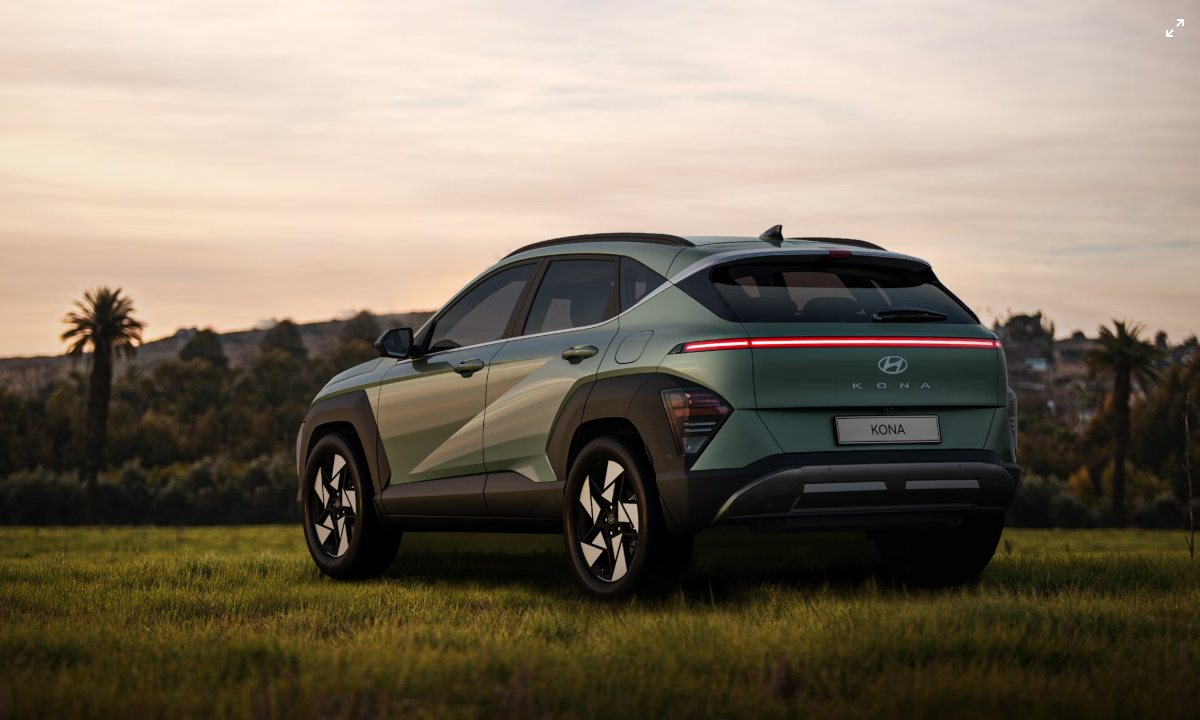
a green suv parked in a grassy field by Hyundai Motor Group is licensed with Unsplash License
Connect with us


Hanford Hyundai
Address
1990 Glendale Avenue
Hanford, CA 93230
Phone
- Sales 559-491-4019559-491-2693
- Service 559-380-2054
- Parts 559-491-2712
| Monday | 9:00AM - 7:00PM |
| Tuesday | 9:00AM - 7:00PM |
| Wednesday | 9:00AM - 7:00PM |
| Thursday | 9:00AM - 7:00PM |
| Friday | 9:00AM - 7:00PM |
| Saturday | 9:00AM - 7:00PM |
| Sunday | 10:00AM - 6:00PM |
| Monday | 7:30AM - 5:30PM |
| Tuesday | 7:30AM - 5:30PM |
| Wednesday | 7:30AM - 5:30PM |
| Thursday | 7:30AM - 5:30PM |
| Friday | 7:30AM - 5:30PM |
| Saturday | Closed |
| Sunday | Closed |
| Monday | 7:30AM - 5:30PM |
| Tuesday | 7:30AM - 5:30PM |
| Wednesday | 7:30AM - 5:30PM |
| Thursday | 7:30AM - 5:30PM |
| Friday | 7:30AM - 5:30PM |
| Saturday | Closed |
| Sunday | Closed |
